

Brands-You-Love
Brands-You-Love
JENIN PLUSChange
JENIN PLUS
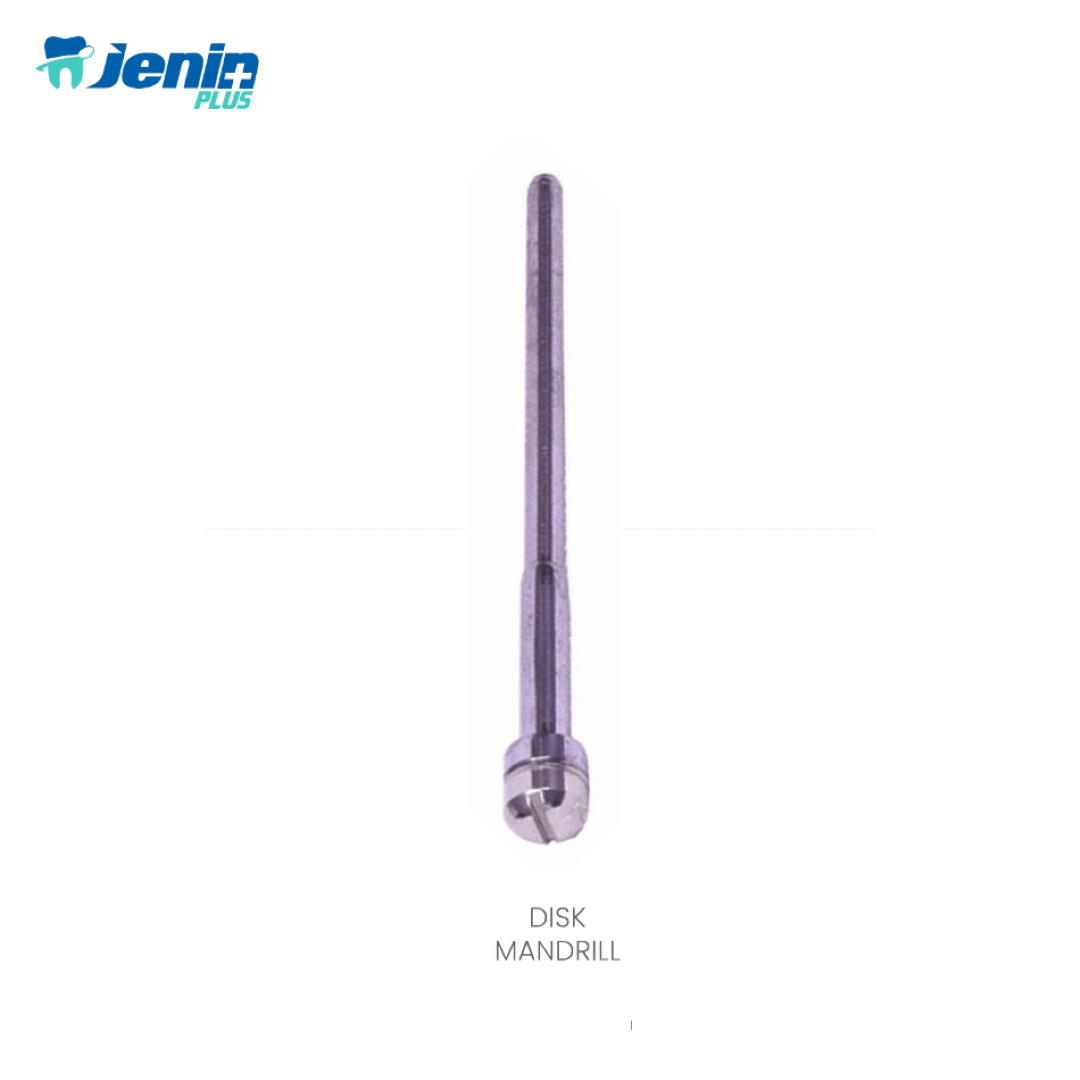
The Jenin Disk Mandrill (often spelled "Mandrel") is a durable dental rotary instrument used to securely attach abrasive or polishing discs to a dental handpiece. It acts as a bridge between the handpiece motor and the polishing accessory, ensuring stable rotation for restorative finishing.
Featuers
Material: Constructed from high-quality stainless steel, making it rust-free, corrosion-resistant, and durable for repeated clinical use.
Sterilization: It is fully autoclavable and heat-sterilisable (typically up to 135°C), which is essential for maintaining hygiene standards in dental clinics.
Design: Features a straight handle or RA (Right Angle) shank system for compatibility with standard dental handpieces.
Attachment Mechanism: Often utilizes a screw-top or locking mechanism to provide a firm, secure grip on the discs, preventing slippage during high-speed rotation.
Specification
Polishing & Finishing: Used with abrasive discs to achieve a high-gloss, smooth surface on dental restorations like composite fillings, porcelain crowns, and veneers.
Contouring & Shaping: Assists in refining the margins and anatomical contours of restorative materials.
Material Compatibility: Suitable for working with a variety of materials including ceramics, acrylics, composites, and metals.
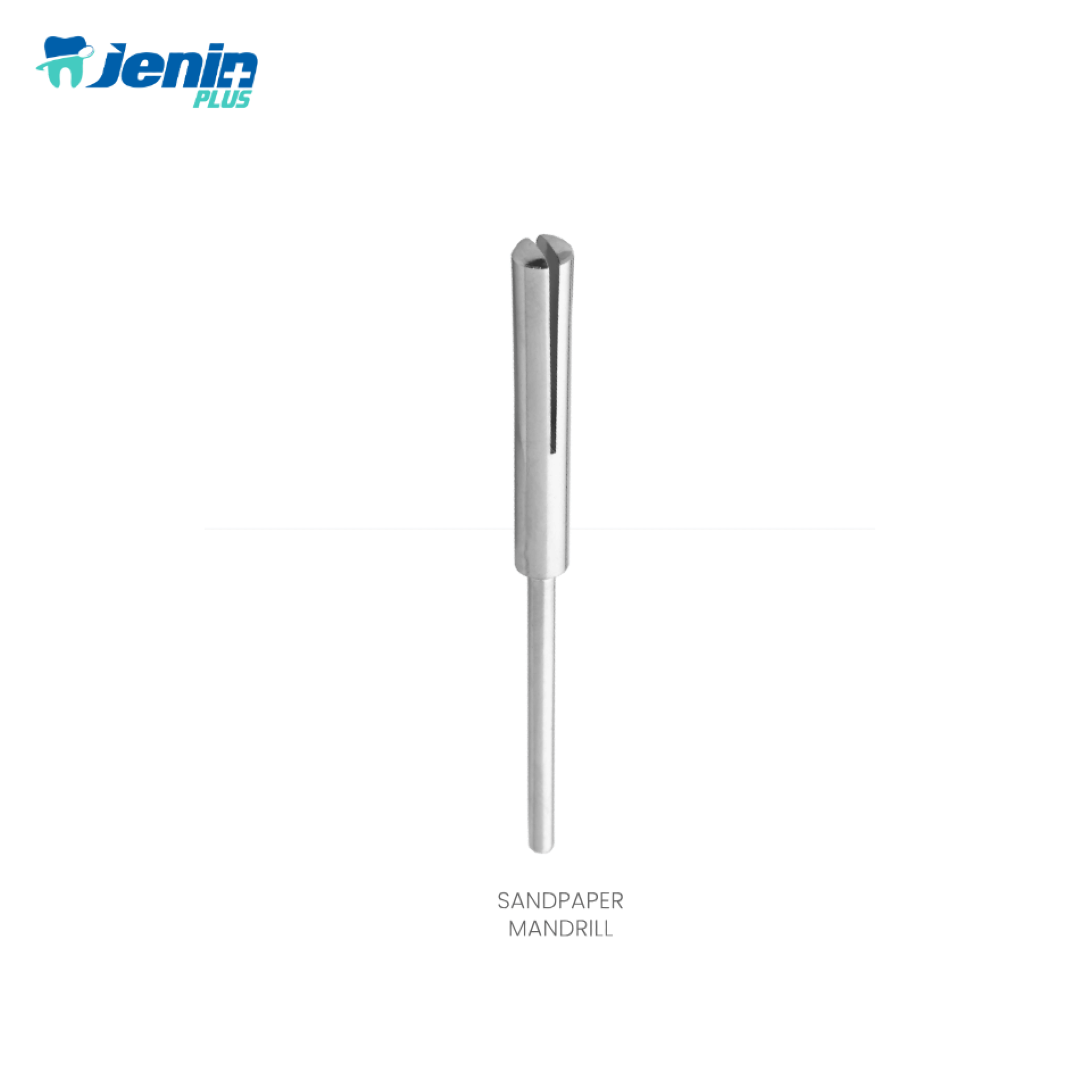
The Jenin Sandpaper Mandrel is a precision dental laboratory tool primarily used for sanding and finishing in restricted or intricate areas. It is a "split" or "slotted" mandrel made of durable materials like brass or stainless steel, designed to securely hold abrasive strips for high-speed dental handpiece applications.
Featuers
Split Mandrel Design: Features a unique slot at the top (0.6mm diameter and 16mm long) that allows for easy insertion and secure winding of sandpaper or polishing cloth.
Precision Shank: Designed with a standard 2.35mm (3/32") shank, making it compatible with most professional rotary tools and dental lab handpieces.
Tapered Build: The tapered head design facilitates access to tight spots, undercuts, and intricate areas of dental prosthetics.
High-Speed Performance: Engineered to operate smoothly at speeds up to 20,000 RPM, ensuring efficient material removal and finishing.
Material: Commonly manufactured from brass (often with a silver-coloured finish) or stainless steel for corrosion resistance and durability.
Specification
Dental Laboratory Finishing: Used for smoothing the interior surfaces of crowns, bridges, and custom abutments.
Removable Prosthetics: Ideal for adjusting the fit surfaces and smoothing acrylic denture bases.
Composite Restorations: Aids in the initial refinement and polishing of composite surfaces.
Intricate Sanding: Indicated for any dental or lab procedure requiring precise sanding in hard-to-reach undercuts.
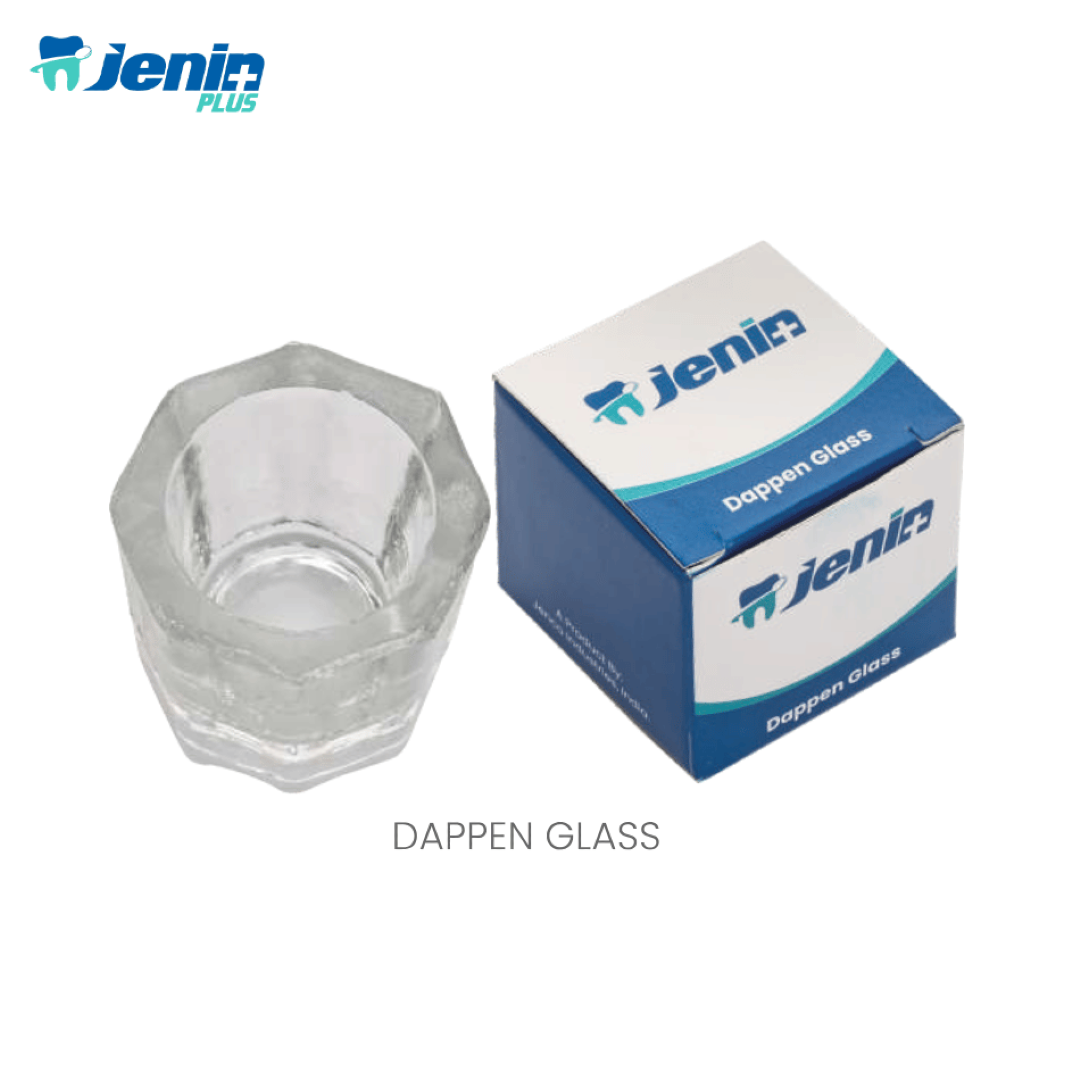
The Jenin Dappen Glass (also known as a Dappen Dish) is a small, dense vessel specifically designed for the precise mixing and handling of substances. It often features a dual-sided design with hollowed-out bowls on both ends—one side typically being larger than the other—to accommodate different material volumes.
Featuers
Durable Construction: Made from high-quality, heat-resistant glass that is durable and resistant to wear.
Stability: Features a thick and heavy base to ensure the dish remains stable on the workstation and to prevent accidental spills.
Non-Reactive Surface: The glass surface is non-porous and non-reactive, ensuring it does not interact with or contaminate dental medicaments.
High Clarity: The transparent glass allows dental professionals to clearly monitor the consistency and color of the mixed materials.
Reusable & Sterilizable: Designed to be easy to clean and is compatible with autoclave sterilization for multi-patient use.
Specification
Restorative Materials: Amalgam, composite resins, and temporary fillings.
Cements & Bonding Agents: Glass ionomer cements, etchants, and bonding adhesives.
Liquids & Powders: Acrylic liquids, monomers, and prophy pastes.
Medicaments: Various dental solutions and medicines.
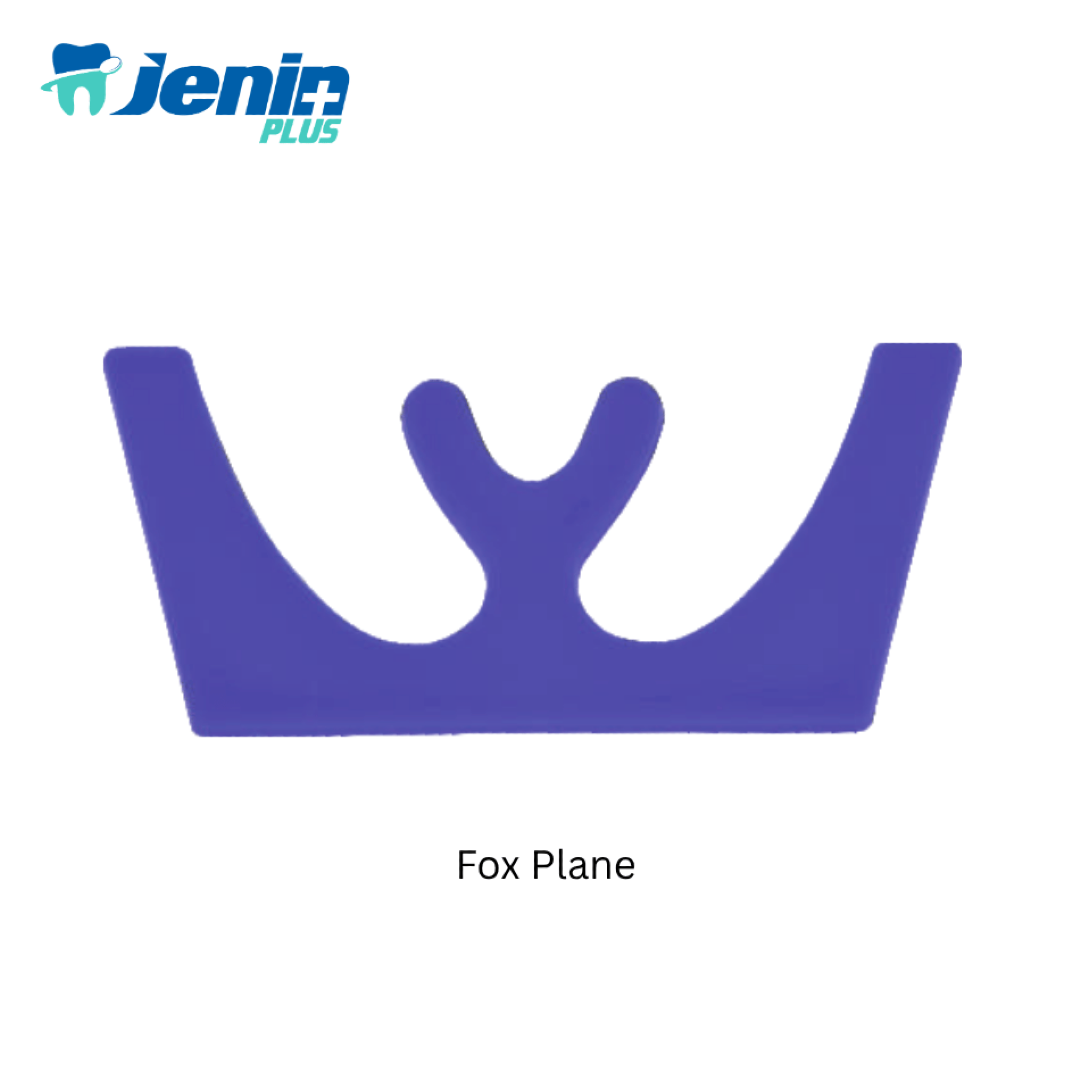
The Fox Plane (also known as the Fox Occlusal Plane) is a specialized dental instrument used primarily in prosthodontics to establish the correct occlusal plane during the fabrication of dentures. It serves as a visual guide to ensure that the wax rims or artificial teeth are aligned properly with facial anatomical landmarks.
Featuers
Material Options: Commonly available in high-quality, medical-grade plastic (PVC/Polycarbonate) or stainless steel/metal.
Sterilization: Most plastic versions are autoclavable up to 135°C, while stainless steel versions are highly durable for repeated sterilization.
Design: Features smooth finished edges to ensure patient comfort during intraoral placement.
Anatomical Alignment: Designed to help align the occlusal plane with the interpupillary line (anteriorly) and the Camper's line (posteriorly, from the ala of the nose to the tragus of the ear).
Portability: Extremely lightweight (typically around 12–15 grams), making it easy to handle for precise adjustments.
Specification
Denture Fabrication: Establishing the occlusal plane for complete dentures.
Vertical Dimension Establishment: Aiding in the determination of a patient's correct vertical dimension.
Clinical & Academic Use: Used by dental students for learning prosthodontic procedures and by clinicians in daily practice.
Laboratory Work: Utilized by lab technicians to verify the orientation of wax rims on dental casts.
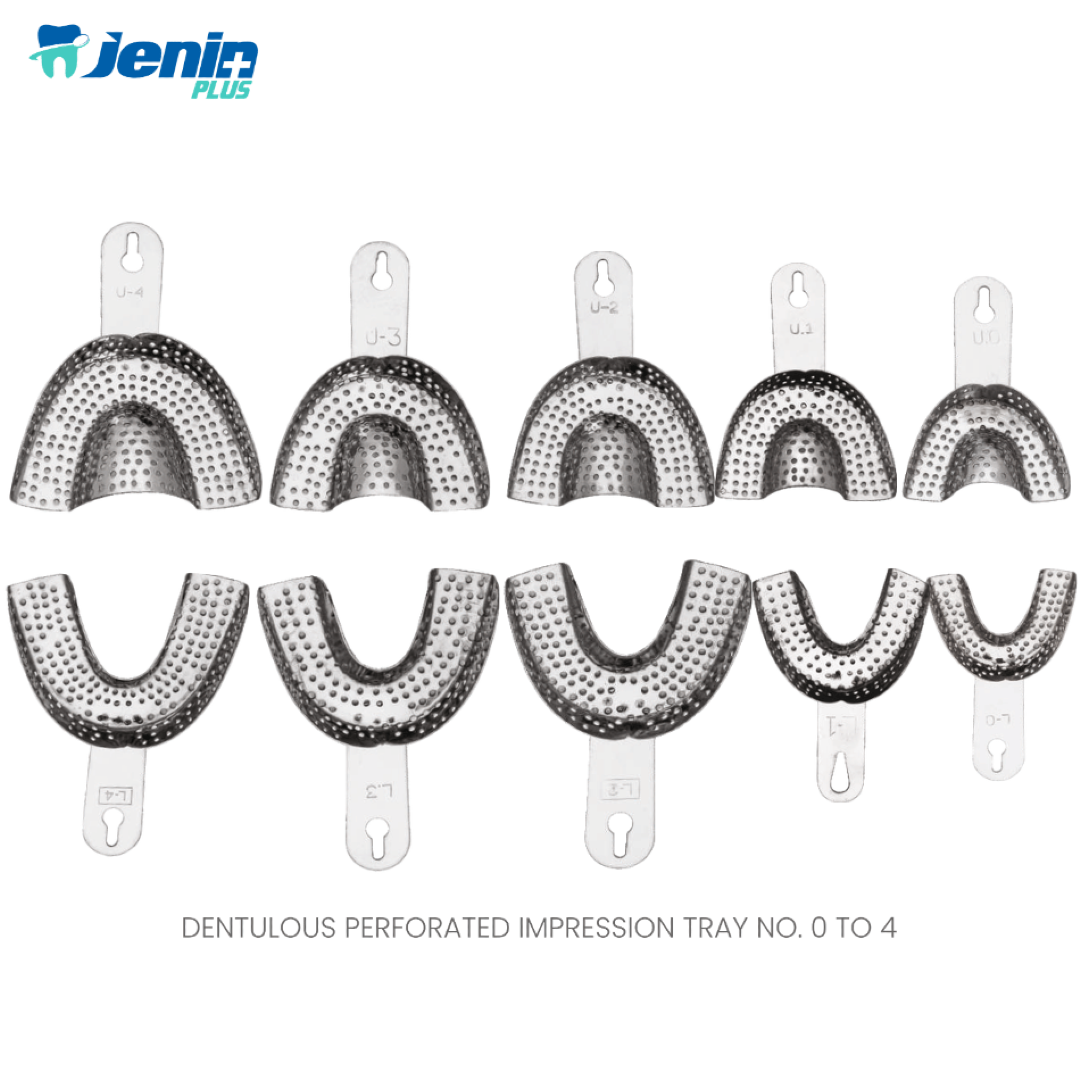
Jenin Dentulous Perforated Impression Trays are professional dental instruments designed for capturing precise full-arch impressions of dentulous (tooth-bearing) upper and lower jaws. Available in both high-quality stainless steel and rigid plastic versions, these trays are widely used for restorative and orthodontic procedures.
Featuers
Perforated Design: The tray features numerous small holes that allow excess impression material to flow through, creating mechanical retention and minimizing internal pressure to prevent distortion.
Rim Lock Integration: Some models include a rim lock feature to further secure the impression material to the tray during removal from the mouth.
Anatomical Shape: Specifically contoured to match the oral anatomy of the upper and lower arches, ensuring detailed capture of teeth and gingival margins.
High-Quality Materials:
Stainless Steel: Medical-grade, corrosion-resistant, and fully autoclavable for repeated use.
Rigid Plastic: Provides excellent dimensional stability and resistance to deformation during the impression process.
Patient Comfort: Designed with smooth, rounded edges to reduce soft tissue irritation and enhance the patient's experience.
Specification
Prosthodontics: Taking impressions for crowns, bridges, and partial dentures.
Orthodontics: Capturing accurate records for diagnostic models and appliance fabrication.
Restorative Dentistry: General tooth-borne impressions where high detail reproduction is required.
Packaging
1 Pcs
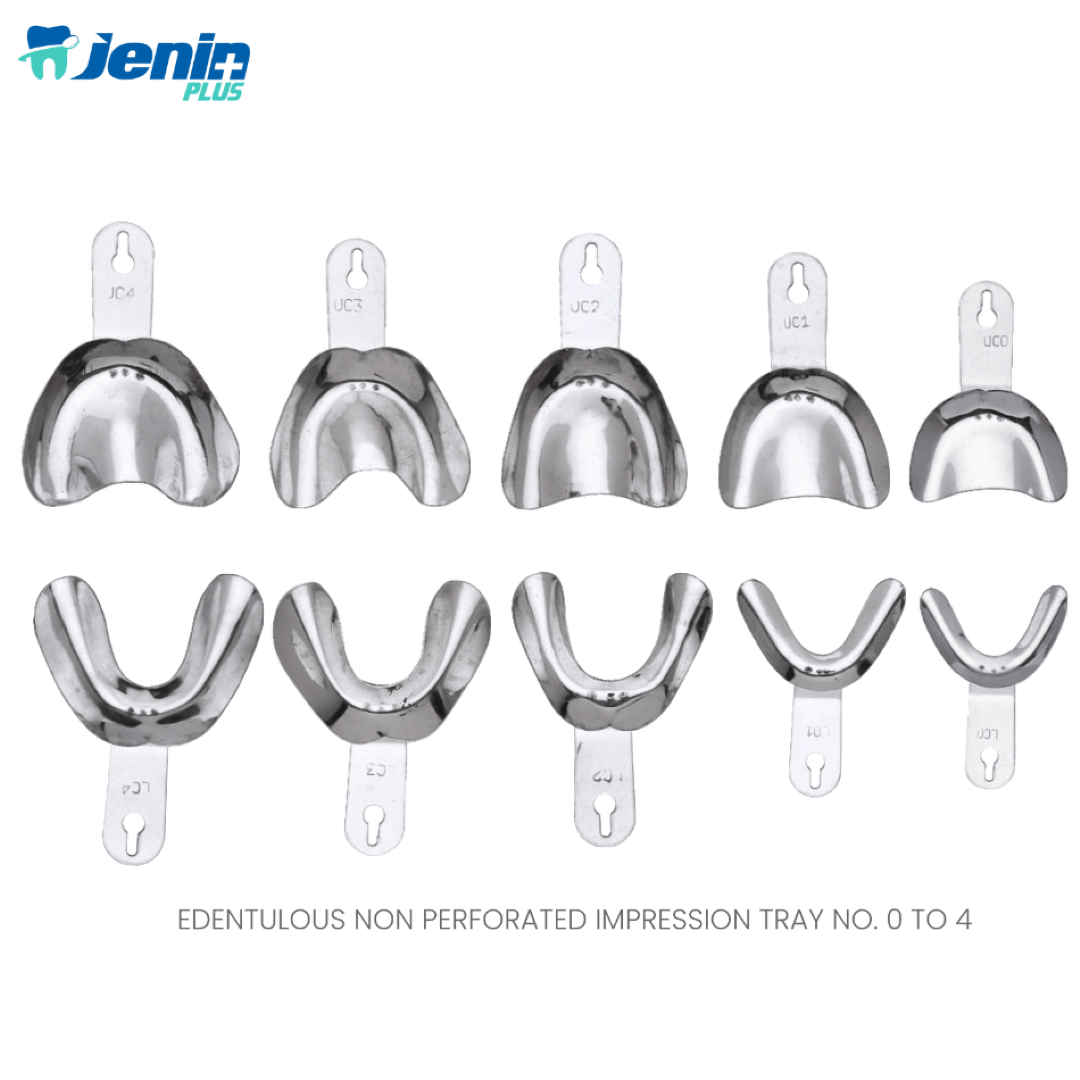
The Jenin Edentulous Non-Perforated Impression Tray is a reusable dental tool specifically designed for capturing accurate impressions of toothless (edentulous) arches. These trays provide the necessary support to carry and control impression materials while recording the soft tissue structures of the mouth, such as the alveolar ridges and palate.
Featuers
Non-Perforated Surface: These trays feature a smooth, solid surface without holes, which is particularly effective for containing light-bodied or mucostatic impression materials.
Material: Typically constructed from high-quality medical-grade stainless steel or durable, rigid plastic, ensuring resistance to deformation and rust.
Anatomical Design: They are contoured specifically for edentulous patients, often featuring larger flanges and smooth, rounded edges to minimize patient irritation and capture detailed anatomical landmarks.
Autoclavable: Designed for repeated clinical use, these trays are fully autoclavable, supporting high standards of sterilization and hygiene.
Ergonomic Handle: Most models include a handle for a secure grip, allowing for precise control and easy insertion or removal during the procedure.
Specification
Complete Denture Fabrication: Primary use is for taking impressions to create full dentures for patients with no remaining teeth.
Prosthodontic Work: Useful for various prosthetic procedures requiring a negative imprint of hard and soft oral tissues.
Material Compatibility: Best suited for materials that benefit from contained pressure, such as alginates, zinc oxide eugenol, or single-phase impression materials.
Packaging
1 Pcs

The Jenin Edentulous Perforated Impression Tray is a specialized dental instrument designed to capture accurate impressions of the full upper or lower arch in patients without teeth. These trays are primarily used for the fabrication of complete dentures and other prosthodontic applications.
Featuers
Anatomical Design: Specially shaped to conform to the contours of edentulous (toothless) arches, ensuring a precise capture of the oral anatomy.
Perforated Structure: Features a series of holes that allow excess impression material to flow through, creating a mechanical "lock" that improves retention and reduces the risk of material distortion.
Material Construction:
Medical Grade Stainless Steel: Offers high rigidity, dimensional stability, and resistance to buckling or cracks.
Rigid Plastic (JENIN Plus line): Provides lightweight handling while maintaining structural integrity during procedures.
Patient Comfort: Designed with smooth, rounded edges and contoured shapes to prevent injury to oral tissues and minimize patient irritation.
Reusability: Both stainless steel and rigid plastic versions are autoclavable and reusable, supporting hygienic and cost-effective clinical use.
Specification
Complete Dentures: Primary use is recording impressions for the fabrication of complete dentures.
Oral Tissue Recording: Used to take negative imprints of hard and soft tissues to form positive casts or models.
Preliminary Impressions: Suitable for initial dental bite registration and mouth impressions.
Packaging
1 Pcs
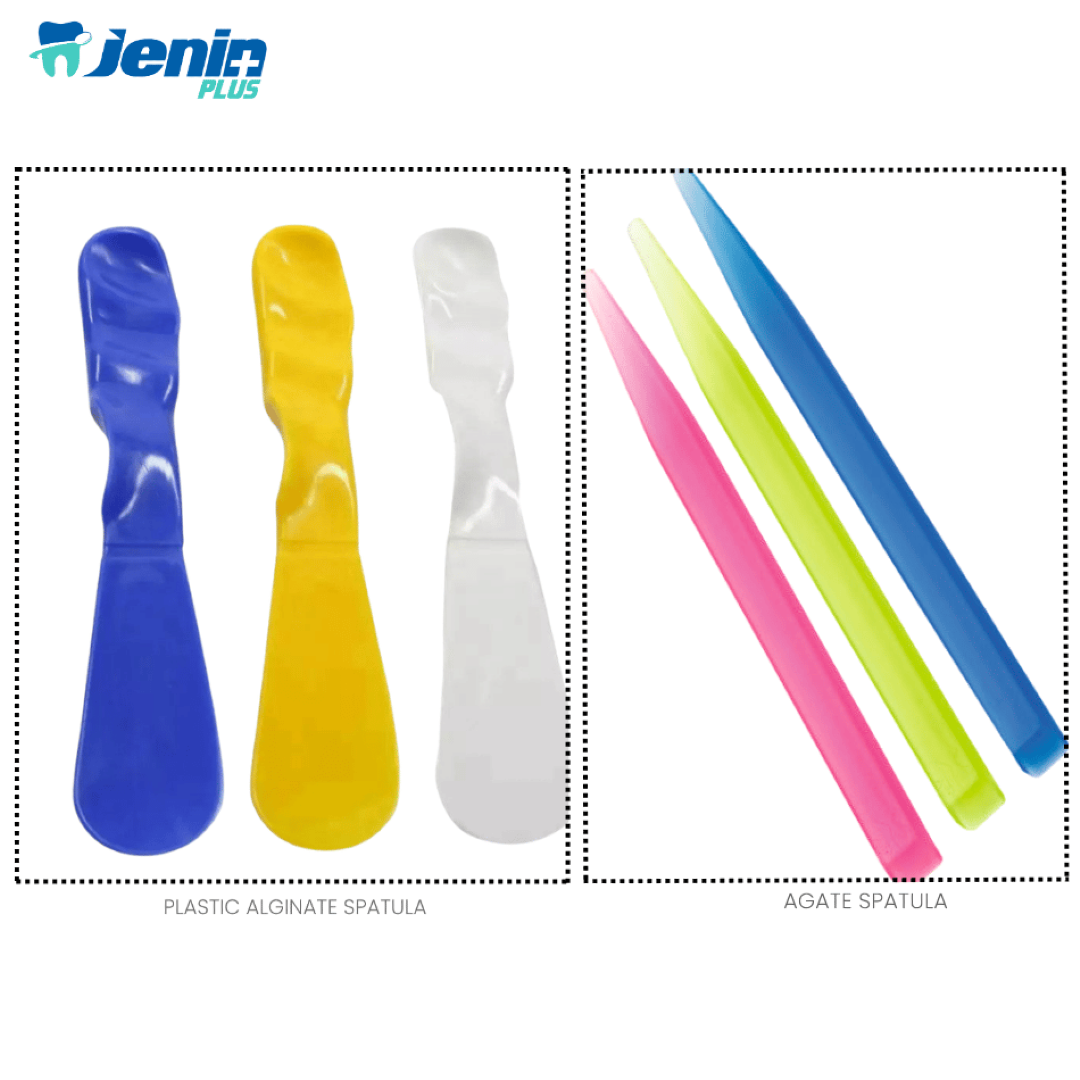
The Jenin Plastic Alginate Spatula is a specialized dental instrument manufactured in India by Jenco Industries, primarily used for the manual mixing of impression materials and dental cements.
Featuers
Material: Constructed from high-quality, medical-grade plastic (typically polypropylene) to ensure hygiene and durability.
Design: Features a flexible yet sturdy blade designed for efficient mixing without sticking to the mixing bowl.
Handle: Ergonomic, long straight handles designed to fit finger shapes for a comfortable and secure grip.
Non-Reactive: Unlike stainless steel alternatives, the plastic material does not react with dental compounds, preventing potential contamination or setting issues during clinical procedures.
Specification
Material Mixing: Ideal for mixing alginate, dental plaster, and impression materials.
Dental Cements: Used to blend glass ionomer cements (GIC) and other viscous restorative materials.
Laboratory Tasks: Suitable for dental waxing, modeling, carving, and blending ceramic powders of different shades.
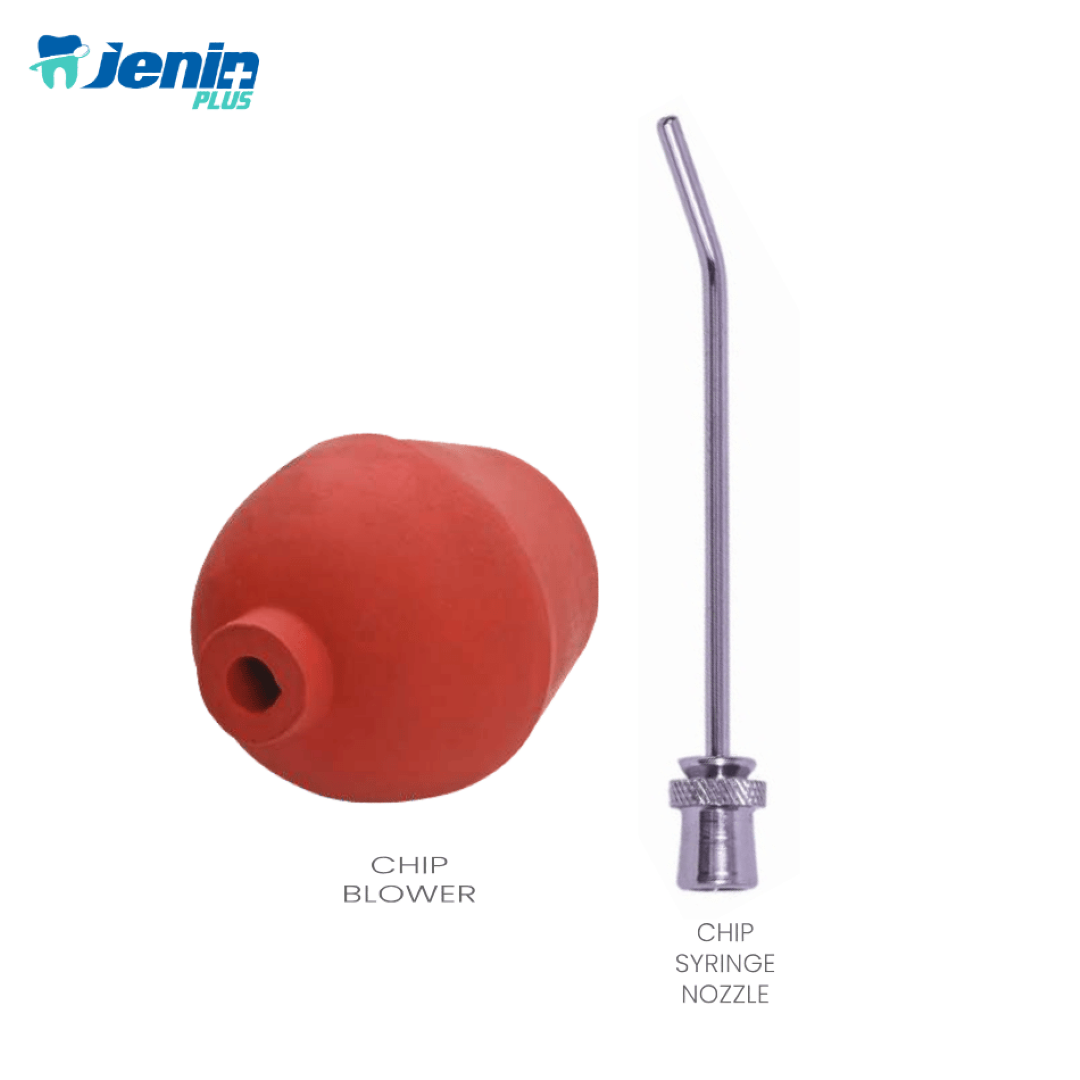
The Jenin Chip Syringe Nozzle is a reusable dental instrument specifically designed for clinical use to maintain a clean workspace during dental procedures.
Featuers
Material: It is typically constructed from high-quality brass or stainless steel, ensuring durability and the ability to withstand clinical sterilization processes.
Mechanism: It works by delivering a controlled blast of air through a tube, often powered by a hand-operated rubber bulb.
Design: The nozzle is shaped to provide a precise, directed airflow to reach specific areas of the oral cavity.
Specification
Cavity Cleaning: It is used to blow away "chips" (debris), dust, and liquid from a cavity after drilling has been performed.
Surface Preparation: It helps dry and clean the tooth surface before the application of dental cements or filling materials to ensure better adhesion.
Visual Clarity: By clearing the treatment site, it provides the dentist with better visibility during intricate procedures.
Articulating paper is a diagnostic dental material used to identify and mark occlussal contact points—the areas where upper and lower teeth touch during biting or grinding. It is typically made of thin, flexible carbon paper or fiber-reinforced paper impregnated with dyes, hydrophilic waxes, and pharmaceutical oils to ensure precise marking even on moist surfaces.
Featuers
Progressive Color Transfer: High-coloring capacity allows the paper to mark contact points precisely based on biting pressure; heavier pressure creates darker marks.
Hydrophilic Properties: Specifically designed to work effectively on moist occlusal surfaces, ensuring clear markings even in the presence of saliva.
Thin & Flexible: Ranges from ultra-thin to detect subtle interferences without altering the patient's natural bite.
Tear Resistance: Often fiber-reinforced to withstand high biting forces without ripping during dynamic occlusion checks.
Material Compatibility: Effective for marking on natural teeth as well as dental restorations like polished metals, ceramics, and acrylics.
Specification
Occlusal Analysis: Identifying high-pressure points or "high spots" that cause discomfort or bite discrepancies.
Restorative Procedures: Adjusting the height of new crowns, bridges, or fillings to ensure they don't interfere with the patient's natural bite.
Prosthodontics: Balancing occlusion in dentures and other removable prosthetics.
Static and Dynamic Checks: Assessing contacts when the jaw is still (centric) and when it is moving (masticatory movements).
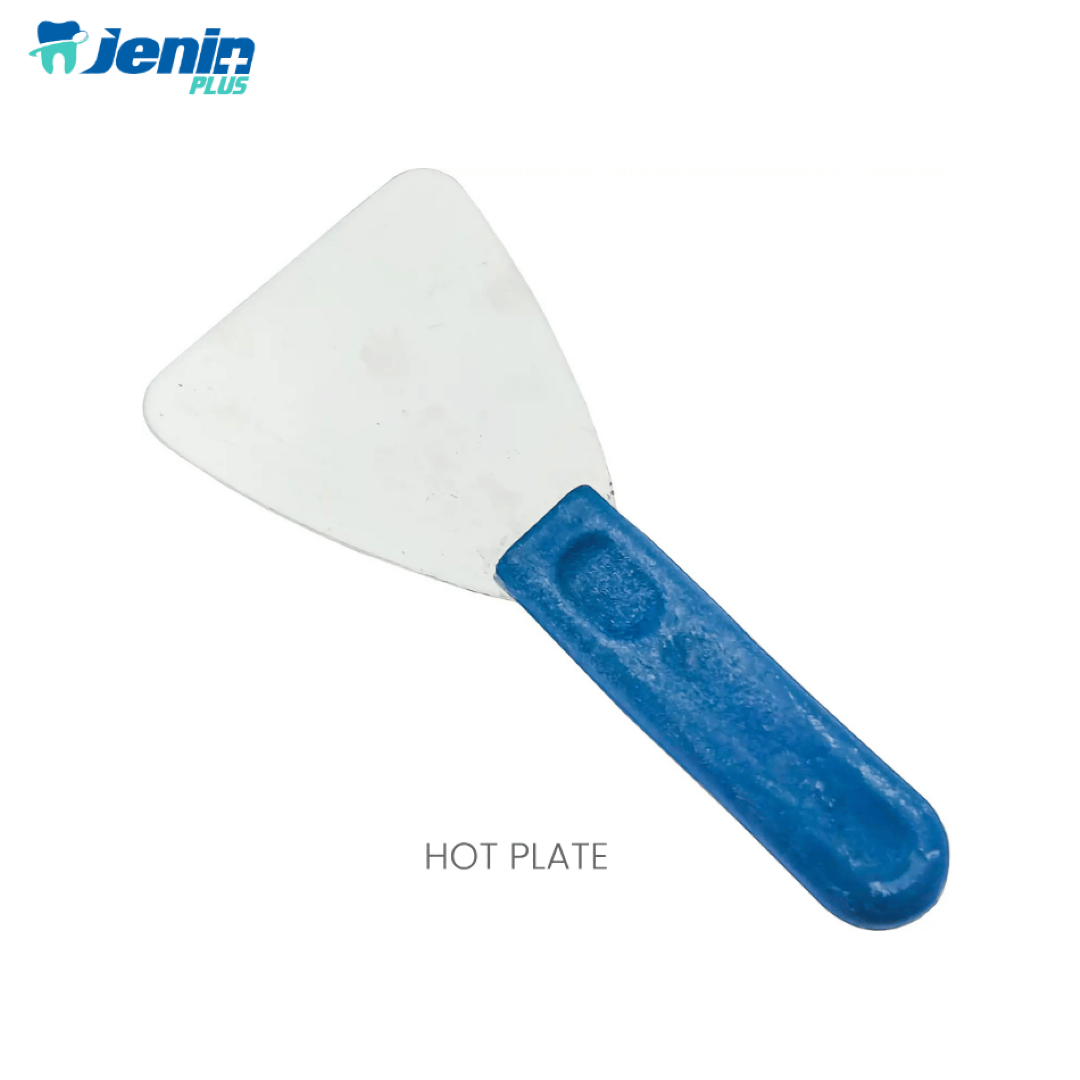
This instrument is a heavy-duty, heat-resistant tool primarily used for the precise handling, softening, and contouring of dental materials like wax or impression compounds on a hot plate. It typically features a round or flat stainless steel blade to ensure smooth contact and uniform heat distribution.
Featuers
Heat Resistance: Manufactured from high-quality stainless steel that remains stable under high temperatures without warping or bending.
Ergonomic Design: Often features a handle (sometimes wooden or textured) designed to reduce hand fatigue and provide a secure, non-slip grip during extended lab procedures.
Balanced Construction: A perfectly balanced shape that allows for improved control and accuracy during delicate carving or mixing tasks.
Durability: Resistant to corrosion and professional-grade wear, making it suitable for both dental students and professional laboratories.
Specification
Dental Laboratory Work: Softening and shaping wax bite rims or occlusal planes.
Prosthodontics: Handling and contouring baseplate wax for denture fabrication.
Orthodontics: Precise material manipulation during the creation of various appliances.
Mixing Compounds: Efficiently blending dental compounds or luting agents in heated environments.
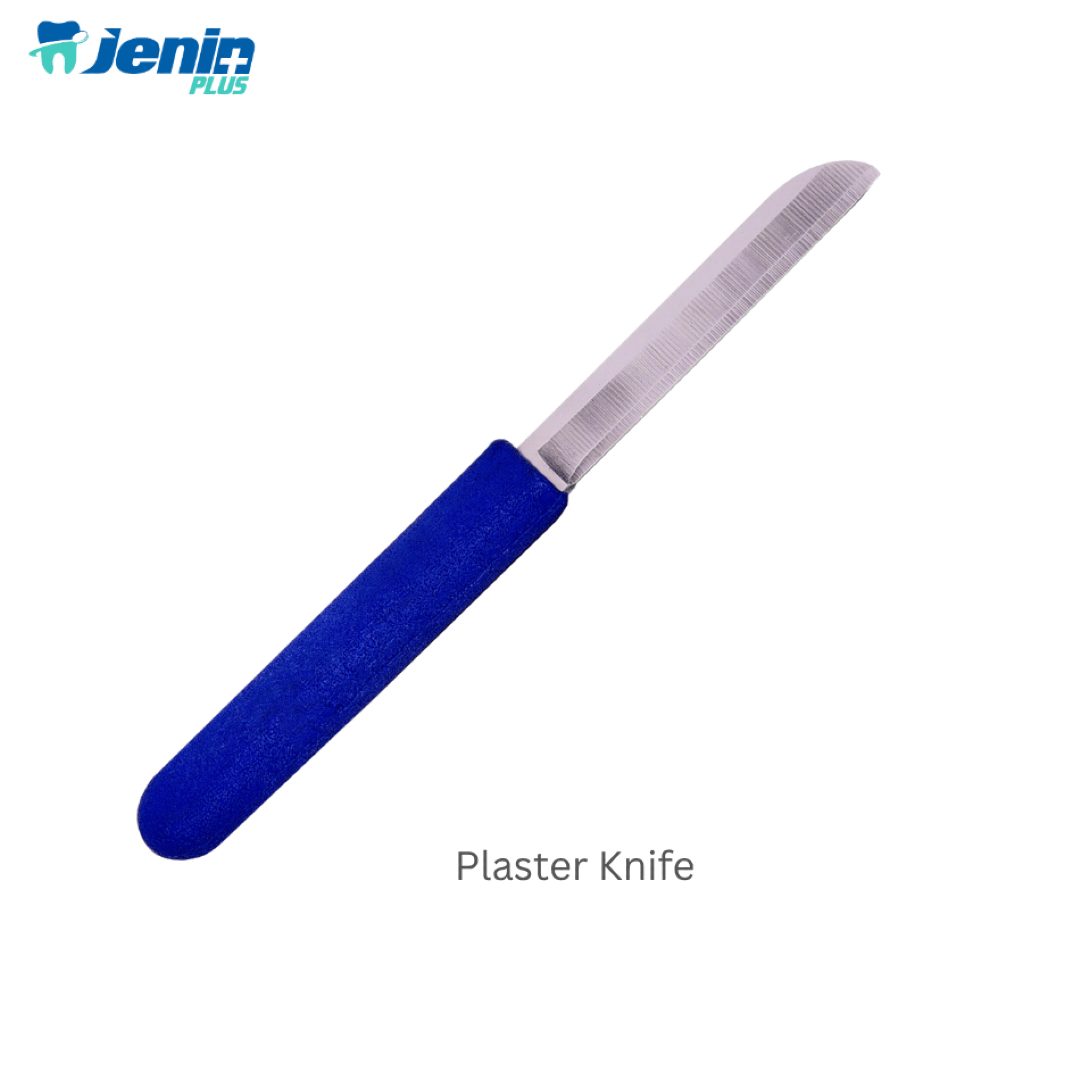
The Jenin Plaster Knife is a handheld instrument characterized by a sharp, strong blade typically crafted from high-quality stainless steel. It is engineered to provide precise control when working with dental plaster or stone, ensuring clean edges and detailed finishes.
Featuers
High-Quality Blade: Made from stainless steel for durability, corrosion resistance, and long-lasting sharpness.
Ergonomic Design: Features a handle—often straight or flat—designed to provide a secure, non-slip grip and reduce hand fatigue during extended clinical use.
Sterilizable: The materials are compatible with manual cleaning or standard sterilization methods like autoclaving for reuse.
Precision Edge: The fine edge of the blade allows for accurate shaping, trimming, and intricate detailing of plaster surfaces.
Specification
Dental Impressions and Models: Trimming excess dental plaster or stone from impressions to ensure an accurate representation of oral structures.
Prosthodontics: Shaping models for the fabrication of crowns, bridges, and dentures to ensure a perfect fit.
Orthodontics: Modifying dental models for constructing appliances like retainers or aligners.
Medical/Orthopedic Use: Trimming and shaping plaster casts used to immobilize fractured bones.
Laboratory Applications: Spreading, smoothing, and mixing materials in a laboratory setting.
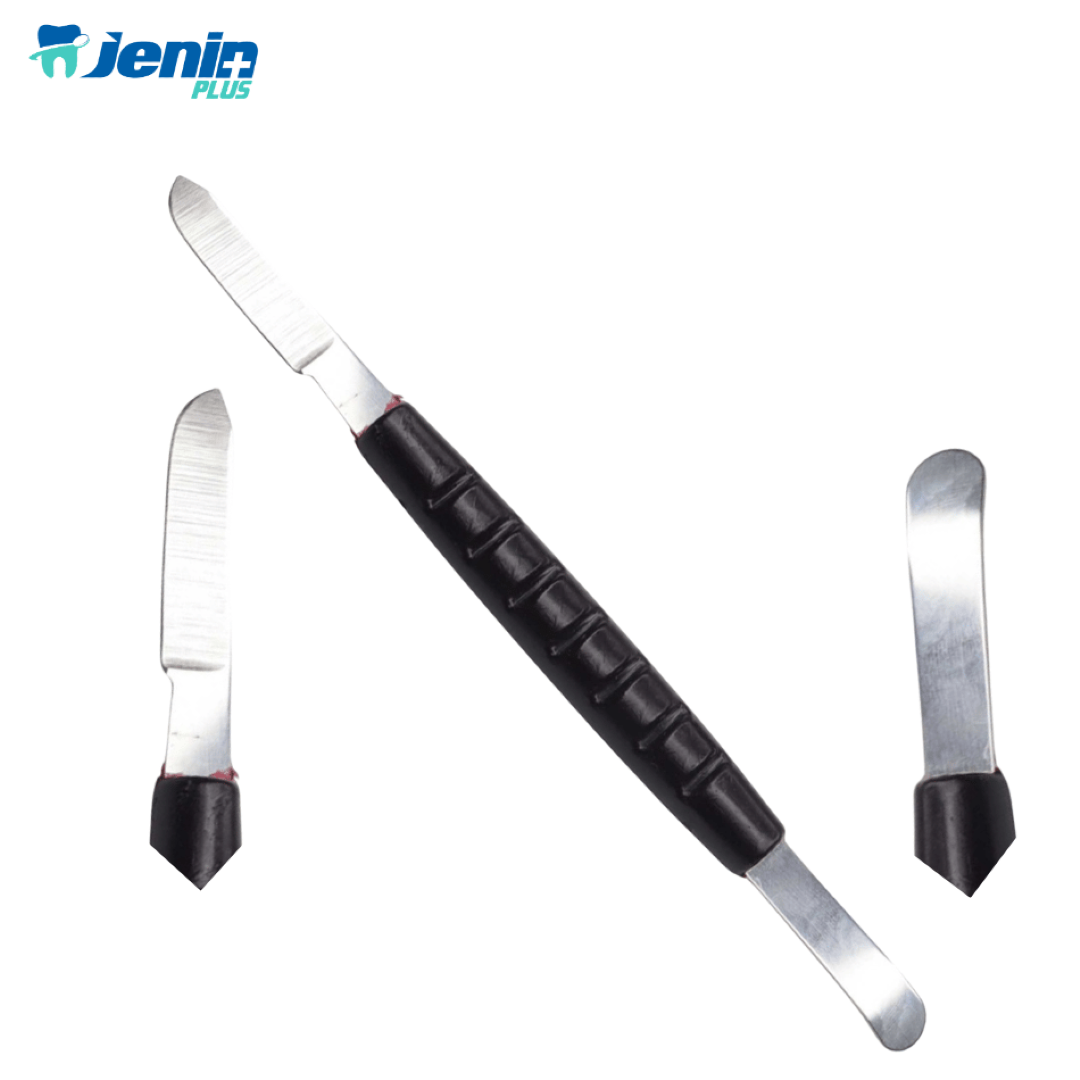
The Jenin wax knife is a precision tool crafted for both laboratory and clinical dental settings. It is typically a double-ended instrument consisting of a sharp carving blade on one end and a rounded spatula on the other. The tool is designed to provide high precision and flexibility during clinical procedures.
Featuers
Material: Made from high-quality, medical-grade stainless steel for durability and long-term use.
Design: Features an ergonomic handle to ensure a secure grip and reduce hand fatigue during extended carving sessions.
Maintenance: Fully autoclavable (typically up to 135°C), making it reusable and easy to sterilize.
Corrosion Resistance: Highly resistant to corrosion and chemicals, maintaining its finish even with frequent use.
Heat Compatibility: Designed to be gently heated to soften wax for smoother manipulation and contouring.
Specification
Prosthetic Fabrication: Used to craft and adjust wax patterns for crowns, bridges, and partial or full dentures.
Anatomical Detailing: The sharp blade end allows for meticulous carving of anatomical features like occlusal planes and grooves.
Material Mixing: The rounded spatula end is frequently used for mixing laboratory materials or softening baseplate wax.
Trial Adjustments: Used in the dental office for minor adjustments to wax patterns and teeth setups during the trial stage of denture fabrication.
Clinical Stabilization: Occasionally used in the stabilization of injured teeth or the treatment of jaw fractures.
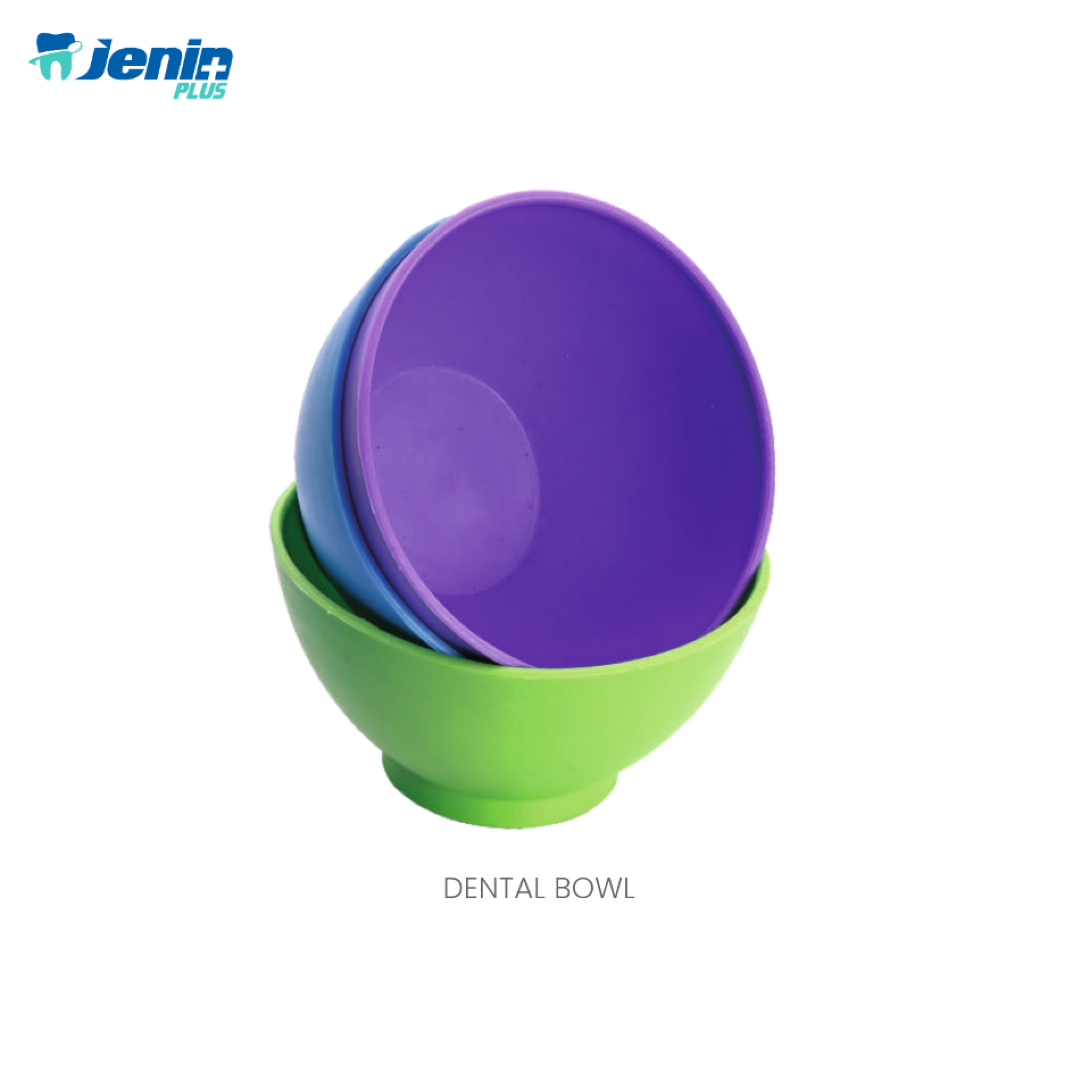
The Jenin Dental Bowl is a professional-grade clinical tool primarily used for the manual preparation of various dental materials. Manufactured from high-quality, flexible rubber or silicone, these bowls are designed for the rigorous, daily demands of dental practices and laboratories.
Featuers
Durable & Flexible Construction: Made from medical-grade rubber or silicone that allows for efficient spatulation and easy retrieval of mixed materials.
Non-Slip Base: Specifically designed with a stable base to prevent movement or tipping during the mixing process.
Easy Maintenance: Features a smooth interior surface that is easy to clean and resistant to chemical corrosion from dental materials.
Sterilization Compatibility: These bowls are generally autoclavable (often up to 135°C) to adhere to strict infection control protocols.
Multiple Sizes: Available in various sizes, typically categorised as Small, Medium, and Large, to handle different volumes of material.
Specification
Impression Materials: Ideal for preparing alginate or silicone compounds.
Gypsum Products: Used for blending dental stone, plaster of Paris, or die stone for casts.
Cements & Pastes: Suitable for mixing dental cements (e.g., zinc phosphate) for crowns and bridges.
Laboratory Work: Frequently used in dental labs for waxing, modelling, or sculpting procedures.
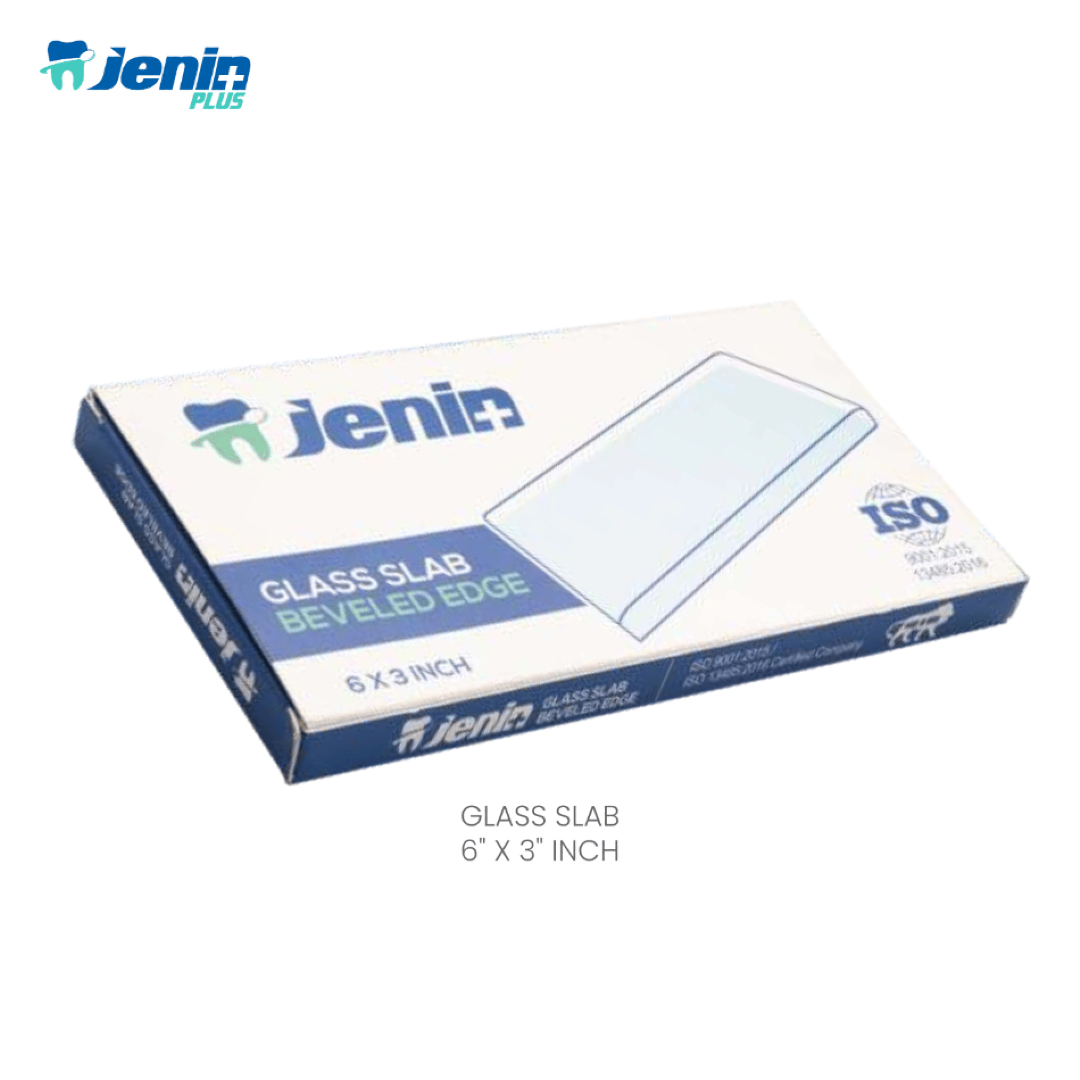
The Jenin Glass Slab is a specialized laboratory tool commonly used in dental clinics, pharmacies, and educational settings for mixing materials on a smooth, stable surface.
Featuers
Material: Constructed from high-quality, durable, and chemically resistant glass.
Design: Typically features a rectangular shape with beveled edges for safety and ease of handling.
Dimensions: A standard size is approximately 6 x 3 inches.
Surface Finish: The glass is highly polished on all sides to provide a smooth, flat working platform.
Durability: Designed for high strength and resistance to cracks, ensuring longevity in clinical or lab environments.
Specification
Dental Mixing: Primarily used as a mixing slab for dental cements, impression materials, and composites in a clinical or lab setting.
Pharmacy Compounding: Serves as an ideal platform for compounding, weighing, and preparing medicinal samples with precision.
Scientific Experiments: Used in physics and biology labs for mixing chemicals or observing reactions on a transparent, heat-resistant surface.
Education: Utilized in school and college practicals to demonstrate optical principles like light refraction and dispersion.